Medi-Vet is proud to help promote the health and happiness of pets everywhere, but we like to spread the love and recognition for all the rescue clinics and pet advocate agencies around the globe that are doing their part to keep pets healthy and in good homes. As the first part of a series of blogs, here are five pet rescue clinics we admire.
1. Petfinder – Petfinder has become an incredibly detailed, organized national archive for various adoption groups around the country. With an expansive archive of pets available for adoption from agencies big and small as well as great knowledge base articles, Petfinder is the perfect go-to resource for all things pet adoption.
2. Austin Pets Alive! – APA! has become one of the leading no-kill shelters in all of the United States thanks to their analytical approach of basing their operations off the successes and failures of programs in other cities. Pulling animals directly off the euthanasia list, APA! gives animals the second chance they deserve, and boasts an incredible adoption rate thanks to plenty of adoption drives, promotional events specialized recovery programs.
3. PetSmart Charities – The folks over at PetSmart Charities have found a simple and effective way to leverage their existing stores as a means of pet adoption hubs for local, partnering shelters and clinics. Regular on-site adoption days where dogs and cats from local shelters can get more exposure to potential adopters are just one of the many ways PetSmart is using their reputation to find loving homes for animals. They also have plenty of online resources for interested parties that need more information on shelters and clinics in their area. They even take in animals from time to time when local shelters are overcrowded.
4. Tony La Russa’s Animal Rescue Foundation – ARF was started back in 1990 with then manager of the Oakland A’s, Tony La Russa, spotted a stray cat that wandered onto the baseball field. The Hall of Fame manager personally secured the cat and found a loving home for it. Today, ARF is a nationally recognized no-kill organization that has expanded its outreach and animal health programs dramatically since its 1991 founding.
5. Animal Rescue League of Boston – ARLBoston covers not only the programs and services you would expect from a pet advocacy group, they also focus on the lifelong health and happiness of the animals they take in. Training classes and pet owner education initiatives make sure pets are being placed in loving homes with well-educated and considerate owners. ARLBoston even helps to rescue and rehabilitate wild animals!
Every pet rescue group and clinic is doing a world of good for pets. While these are but five groups, they’ve certainly made an impact on agencies around them and in their field. What are some agencies or clinics that you admire? Let us know in the comments!
Wednesday, June 4, 2014

Wednesday, May 28, 2014
The Pros and Cons of Pet Insurance

How it Works
Pet health insurance isn't quite like coverage for people. Technically, it's more like a travel insurance policy where the policyholder submits a claim for reimbursement after paying for the treatment. Just like other insurance options, buyers should shop around, review policy details and understand what's covered and what's not. Use these tips to find the best coverage for your pet:
- Verify the carrier's qualifications with your state's insurance board
- Shop around to find the best policy and premiums
- Check to see if your employer offers optional pet coverage
- Read policies thoroughly and ask questions
- Inquire about multi-pet discounts
- Consider the benefits of establishing a savings account instead
For pet owners, coverage is the most important concern. Unfortunately, there isn't one standard. Pet insurance is designed primarily for emergencies and catastrophic events. However, more providers cover routine veterinary care and preventive or elective treatments, such as vaccinations, spaying and neutering, heartworm medications, tick and flea prescriptions and dental care. Some policies even cover acupuncture, physical therapy and holistic treatments.
Cost
The cost of pet insurance varies as much as the coverage. Typically, a good policy will cover up to 90 percent of approved vet bills after the deductible is satisfied. You can also anticipate that your policy will have an annual cap on benefits. Depending on the provider, you might pay more to insure an older pet or a specific breed. Premiums will increase if you live in an area where veterinary costs are higher than average. Insurance companies also have different ways of handling renewals. Some companies increase premiums based on the pet's age while others offer constant rates that never increase as long as premiums are paid.
Exclusions
Ironically, some of the most common and expensive veterinary procedures aren't covered by the average pet insurance policy. Exclusions generally apply to pre-existing problems and chronic medical issues. A few providers cover hereditary conditions, such as hip dysplasia.
What You Need to Know
Veterinary costs are on the rise, and the number of treatments and diagnostic tools has expanded dramatically. In 2009, nearly 30 percent of pet-related expenditures went toward some $12 billion in veterinary care. Dogs are twice as likely to require emergency care as cats are, and puppies develop serious medical issues more often than adult dogs.
Pet insurance isn't cheap, but it's a good option if you're the type of person who would spend any amount to restore your pet's health. With pet insurance, you might pay more over the life of your pet, but the policy can prevent you from going into debt. You could also consider putting the money you would spend on premiums into a savings account. Weigh these pros and cons to find the best option for protecting your beloved pets.
Thursday, May 8, 2014
A Review of Putney Cefpodoxime Tablets
Putney tablets (cefpodoxime proxetil) are a proven, safe way to handle skin infections in dogs. Simple application and the ability to combat several bacterial strains make Putney tablets a common drug for infections in vet offices. The sale of Putney cefpodoxime tablets is, however, restricted to licensed veterinarians and pharmacies, and Medi-Vet must have a current license on file prior to shipping your order. Let’s review some of the features of Putney cefpodoxime products that make them so popular for skin infections and wound treatments.
Cefpodoxime proxetil can be given with or without food, making it easy to take the drug at convenient times as opposed to only with meals. Offered in 100mg and 200mg tablet varieties, cefpodoxime proxetil tablets from Putney are suitable for dogs big and small. This antimicrobial medication is incredibly fast-acting. In many cases, noticeable change can be seen within 5-7 days with a maximum use of 28 days. However, be sure to cease treatment after 3-4 days if there are no noticeable signs of improvement. Make sure that all tablets are stored at a comfortable room temperature of 68 to 77 degrees Fahrenheit. Cefpodoxime proxetil can be used to treat the following strains of bacteria:

While cefpodoxime tablets can be administered to many dogs, it does have some limitations. Dogs that are being bred, are currently pregnant, or are lactating should not be given these tablets as clinical proof of safety with this drug has not been found.
Medi-Vet offered Putney cefpodoxime proxetil at the competitive price of just over $72 for 100 tablets or $130 for 200, making them a great deal compared to Simplicef by Pfizer. With a dosage of one tablet or less a day, that’s an unbeatable bargain! Stock your vet practice with Putney cefpodoxime and give your patients and their owners peace of mind with fast-acting, reliable medication for skin infections.
Cefpodoxime proxetil can be given with or without food, making it easy to take the drug at convenient times as opposed to only with meals. Offered in 100mg and 200mg tablet varieties, cefpodoxime proxetil tablets from Putney are suitable for dogs big and small. This antimicrobial medication is incredibly fast-acting. In many cases, noticeable change can be seen within 5-7 days with a maximum use of 28 days. However, be sure to cease treatment after 3-4 days if there are no noticeable signs of improvement. Make sure that all tablets are stored at a comfortable room temperature of 68 to 77 degrees Fahrenheit. Cefpodoxime proxetil can be used to treat the following strains of bacteria:
- Staphylococcus intermedius
- Staphylococcus aureus
- Streptococcus canis (group G, B hemolytic)
- Escherichia coli
- Pasteurella multocida
- Proteus mirabilis
While cefpodoxime tablets can be administered to many dogs, it does have some limitations. Dogs that are being bred, are currently pregnant, or are lactating should not be given these tablets as clinical proof of safety with this drug has not been found.
Medi-Vet offered Putney cefpodoxime proxetil at the competitive price of just over $72 for 100 tablets or $130 for 200, making them a great deal compared to Simplicef by Pfizer. With a dosage of one tablet or less a day, that’s an unbeatable bargain! Stock your vet practice with Putney cefpodoxime and give your patients and their owners peace of mind with fast-acting, reliable medication for skin infections.
Friday, April 25, 2014
Seven Tips to Control Pet Shedding
Both dogs and cats can shed a large amount of hair. It depends on the breed, but almost all dogs and cats shed to some degree. If you have pets, you know how the hair can get everywhere and become almost impossible to clean up. If pet hair seems to be taking over your house, there are some tips and products you can use to reduce shedding significantly.
- Regular Brushing - Brush your pet every other day, or even daily if they have heavy and thick coats. Dogs with two coats, an undercoat and a top coat, tend to need the most brushing. This is the best thing you can do to minimize shedding because brushing removes loose hair before it can fall on your floor. It also distributes oil from the skin over the hair, leaving it suppler and less likely to shed.
- Give Your Pet Fatty Acid Supplements - The Optima 365 for dogs or cats is a fatty acid supplement that also contains vitamins and minerals. Fatty acids improve the pet's skin and coat, effectively reducing shedding. Optima 365 contains antioxidants and 33 percent fewer calories than other brands, which is why it is preferred among pet owners.
- Feed High Quality Food - Your pet's hair is a direct reflection of the quality of their diet. Feed your dog or cat a diet that contains high amounts of digestible protein. Not enough protein or nutrients cause your pet's hair to be brittle and weak, which leads to more shedding. You can also give moist, healthy foods as treats, such as melons, peas and carrots.
- Brush with a Shedding Tool - Shedding tools such as the FURminator deshedding tool target the animal's undercoat, which is the source of shedding issues. The undercoat contains loose and dead hair that is difficult to remove with regular brushing or baths. The FURminator removes these hairs easily without tugging or damaging the topcoat.
- Bathe Your Pet Regularly with Anti-Shedding Shampoo - Regular baths keep your pet's skin and hair healthy, which prevents hair from falling out. Bathing regularly also removes loose hair before it has a chance to fall on your carpet. To further reduce shedding, you can use a pet shampoo specifically engineered to combat shedding. In addition to their shedding tool, FURminator makes such a shampoo that contains fatty acids, proteins and minerals to help reduce shedding.
- Use a Topical Skin Care Formula - A new way to deliver needed nutrients, topical skin care applications provide hydration, protein and essential oils directly to your pet's skin. Products like Dermoscent Essential 6 Spot-On Skin Care are easy to apply while promoting healthy skin, reducing dandruff and deodorizing.
- Take Your Pet for Regular Vet Checkups - Some dogs or cats have allergies that can often manifest as skin conditions. Visit the vet regularly to check for these and other skin issues. Unhealthy or dry skin results in more shedding. Your vet might offer prescription medication to help with the skin conditions.

Wednesday, April 9, 2014
Epi-Otic Advanced Ear Cleanser for Dogs & Cats Review
 When it comes to the health of your pet, you are likely to think about pest, disease, and worm prevention first. But the easiest thing to overlook is simple maintenance. Haircuts, nail trims, baths, and ear cleaning all contribute to your pet’s health. It may come as a surprise, but dogs and cats’ ears are extremely sensitive due to the moist environment inside their ears. While some cats may be able to groom themselves, others may be prone to ear mites and all dogs will need routine ear cleaning to fend away ear infections and possible deafness. Virbac’s Epi-Otic Ear Cleansers are perfect for the job, and most veterinarians will not hesitate to recommend them.
The care of your cat’s or dog’s ears is extremely important; and with proper care, your pet will never have any trouble responding to your voice. Epi-Otic Ear Cleanser is a non-irritant solution that will clear any excess grime and wax build-up from your dog or cat’s ears. Due to its gentle nature, Epi-Otic is also safe to administer to puppies and kittens as well. Apply the cleanser daily, weekly, or during your pet’s bath for convenience, and experience a healthier and happier friend instantly.
The Difference between Epi-Otic & Epi-Otic Advanced Ear Cleansers
The main difference between the Epi-Otic Ear Cleanser and Epi-Otic Advanced Ear Cleanser is that the latter is targeted towards pets with a severe case of Otitis Externa, which is a case of inflammation in the ear or ear canal. The two lines of cleansers essentially do the same thing; the Advanced is simply more powerful with added anti-odor properties. Both are specially formulated with anti-adhesive properties and drying agents to prevent bacteria and yeast from sticking to and populating in the ear.Epi-Otic solutions are developed with a few unique ingredients to make them as effective as they are:
- Spherulites: an encapsulation system that allows the ingredients in the cleansers to release slowly and steadily for a long lasting effect. This system is exclusively made and patented by Virbac.
- Chitosanide: an ingredient that forms a layer of film over the skin and hair to protect your animal’s skim from harmful effects of the environment.
- Salicylic Acid: an anti-septic agent that encourages dead skin cells to shed (in Epi-Otic Advanced only).
How to apply:
- Shake the formula, and twist the nozzle to open.
- Place a few drops into your pet’s ear.
- Close or fold the ear flap and gently massage the base of the ear for about 30 seconds.
- Allow your pet to shake out the excess liquid out, then carefully blot the ear with a cotton ball to wipe away any leftover wax or buildup. Note: Do not place anything inside the ear canal as that may pierce or harm the eardrum.
Your pets provide you with so much love and happiness, so make sure you provide the same by keeping them clean and healthy for maximum fulfillment. Epi-Otic Ear Cleansers contribute greatly to this, and this brand name cleansing line can be purchased at www.medi-vet.com in the lowest prices.
Thursday, April 3, 2014
Five Most Common Illnesses in Cats
Whether you are planning on adopting a kitten or already have one, make sure you are taking your furry friend on frequent trips to the vet. Kittens are much more susceptible to infections from the environment than adult cats, because their bodies have not built up immunity to anything since the short time they’ve been introduced to the world. Make sure you’re aware of the telltale signs of these common illnesses in kittens and also cats:

The two most common culprits for this illness are the feline rhinotracheitis virus (also known as herpesvirus) and the feline calicivirus. You can vaccinate your kitten or cat against both of these. While vaccination does not completely prevent upper respiratory infections, inoculated cats and kittens experience less severe cases.
A lot of kittens contract hookworms or roundworms, because they ingest them when feeding on their mother's milk. Tapeworms and fleas go hand-in-hand because fleas serve as intermediate hosts for this type of worm; cats can also catch tapeworms from small prey. Taking proper flea prevention measures and limiting access to wild animals will likely diminish your kitten’s possibilities of getting tapeworms. Last resort, you can also effectively de-worm kittens with medications.
Watch for signs of these common illnesses when you are adopting and raising a kitten. However, rely on a good veterinarian for a concrete diagnosis.
Upper Respiratory Infection
While upper respiratory infections occur commonly in adult cats as well, kittens suffer from the most severe symptoms. These symptoms include lack of appetite, runny eyes, lethargy, coughing, runny nose and sneezing. Feline upper respiratory infections are highly contagious among cats of all ages.The two most common culprits for this illness are the feline rhinotracheitis virus (also known as herpesvirus) and the feline calicivirus. You can vaccinate your kitten or cat against both of these. While vaccination does not completely prevent upper respiratory infections, inoculated cats and kittens experience less severe cases.
Diarrhea
There are a multitude of reasons why your kitten may be experiencing diarrhea; the reason could be as simple as switching up its food or from stress - especially when first separated from their families. However, it can also signal the presence of intestinal parasites like worms and one-celled parasites.A lot of kittens contract hookworms or roundworms, because they ingest them when feeding on their mother's milk. Tapeworms and fleas go hand-in-hand because fleas serve as intermediate hosts for this type of worm; cats can also catch tapeworms from small prey. Taking proper flea prevention measures and limiting access to wild animals will likely diminish your kitten’s possibilities of getting tapeworms. Last resort, you can also effectively de-worm kittens with medications.
Ear Mites
While cats can get ear mites, here and there, at any age, kittens can suffer from them frequently. Look for a discharge in the ear that looks like black/brown coffee grounds. Since kittens will often scratch their ears when they have ear mites, sores and redness around the ears is a common indication as well.Ringworm
Ringworm is not really a worm, but an infectious, itchy skin fungus that causes hair loss. Symptoms include skin lesions and bald patches on the ears, head or forelimbs. However, you can expect to see hair loss throughout the entire body in severe cases. Kittens with milder cases of ringworm might simply show symptoms of dandruff. Ringworms are highly contagious, and humans can catch it from kittens as well - even if the cat shows no signs of having the infection.Feline Distemper
Feline distemper, also known as panleukopenia, is a highly contagious infection that can lead to death. Symptoms include fever, vomiting, lack of appetite and diarrhea. Luckily, you can protect your kitten with a feline distemper vaccine.Watch for signs of these common illnesses when you are adopting and raising a kitten. However, rely on a good veterinarian for a concrete diagnosis.
Friday, March 7, 2014
How to Choose a Great Veterinarian For Your Pet
When looking for a veterinarian for your pet it is always good to plan ahead. This is because looking for one when you are in real need can be a daunting task and you may end up choosing the wrong veterinarian. You must also keep in mind that the vet is your pet's best friend and hence the need to take your time when choosing one. You must also appreciate that you not only looking for a medical expert, but a person who will meet your needs and those of your pet. Here are some important factors to consider when choosing a veterinarian for your pet:
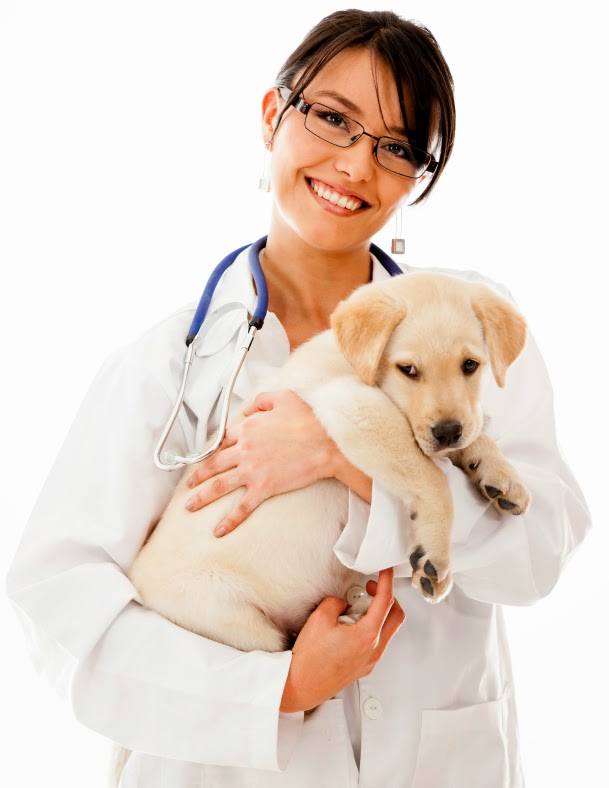
By paying attention to these factors, you can ensure that you find the right vet for your pet.
1. Reputation
First and foremost, start by asking people with a similar approach to pet care as you have. Your recommendations should be from your neighbors, an animal shelter worker, friends, groomer, dog trainer, and/or a pet sitter. You may also browse local yellow pages, local review sites (like Yelp! or Google+)2. Credentials
When going to a new vet hospital for the time, it is ok to ask for certification. Your pet may require specialized attention and this ensures that the veterinarian you are looking for has the necessary expertise needed to attend to your pet. It also gives you peace of mind knowing your four-legged friend is in good hands.3. Facilities
Once you have identified a particular veterinarian, you need to schedule a visit to meet the staff and tour the facility to learn more about the hospital's philosophy and policies. You should also have your questions ready ahead of your scheduled visit. Here are some of the questions you should ask, and some of the things that you need to look for in a veterinarian facility: Do they charge reasonable fees for their services? Do they offer any kind of discounts? Do they have 24 hour emergency number? Seek to establish the friendliness of the staff and the doctors so you can expect better treatment for you and your pet. If your pet is insured or if you are planning to insure your pet, make sure the facility will accept your insurance.4. Logistics
Some of the concerns with finding a vet have nothing to do with the veterinarian or the facility themselves, but are practical issues. Is the location closer to your home or office? Do they have pet drop off and pick up without any extra charges? How easy or difficult is to get appointments? Do they send you reminders when your pet is due a visit? Another thing to consider is if they are open on weekends or available via phone to help in case of emergencies.5. Services
If your pet requires specific care beyond the usual checkups, you should inquire about the specific services your vet hospital offers. Do they offer ultra-sound, x-ray facilities, endoscopy and other diagnostic services, or are these services offered by specialists elsewhere? How does the facility monitor overnight patients: Do they have an employee who provides constant overnight care to your pet? If they don't have round-the-clock care, they should have arrangements to transfer your pet to another facility. If your pet needs surgery, find out what types of modern gas anesthetics are in use in that facility. The modern standard when performing surgical procedures on pets is to sedate them with gas anesthesia.By paying attention to these factors, you can ensure that you find the right vet for your pet.
Subscribe to:
Posts (Atom)