We’re well into 2015 and it’s time to fess up: how have you been doing with your New Year’s resolutions? If you’re like many of us, you probably began the year with the best of intentions, but may have started sliding a little; new habits are incredibly difficult to form. But it’s not too late to get back on track – or stay on track, for those lucky disciplined few. We have a secret for you that you’re going to love: your dog is your ticket to a better, healthier you in so many ways! Read on to learn how you can incorporate your dog into your new routines for an instant accountability partner who will love you no matter what.
1. The Resolution: I Will Exercise More
How Your Dog Can Help: Start taking your dog with you on your walks or runs, making sure to stick to the same schedule every single day. For example, a great time to throw on your tennis shoes and set out with your new workout buddy might be first thing in the morning or as soon as you arrive home from work. The reason this is such a great key to success is that getting your dog used to a routine means they’ll start looking forward to their activity time every single day. There are days when you may not feel like going to a run, but trust us, your dog is not going to let you forget that it’s “play time.”
One crucial word of advice: just like people, dogs need time to ramp up. So, if your dog is used to being relatively inactive, make sure you prevent injuries and fatigue by easing them into their routine gradually. Start with a couple days per week of walking or very short runs and work up from there. When in doubt, ask your vet; they may recommend some joint medication or extra vitamins and supplements for your dog’s new activity level. Working up gradually will actually help you stick to your own routine more in the long-run, too; going from 0 to 60 too quickly is a major reason many New Year’s resolutions fail.
2. The Resolution: I Will Watch My Finances
How Your Dog Can Help: What could be a more perfect gateway to a host of fabulous, free reactional opportunites than your dog? Your favorite four-legged friend can now be your favorite excuse to go to the park or dog park, plan a hike, or even take that road trip to the beach you’ve been dreaming about. We all feel a little guilty sometimes, as we get busy, about the idea of taking time for ourselves. Doing something that makes your dog happy too can reduce this guilt – which you shouldn’t feel anyway; you deserve to enjoy yourself!
3. The Resolution: I Will Sleep Better
How Your Dog Can Help: We hate to be the bearer of bad news, but if you let your dog sleep on your bed with you, the odds are extremely high that you’re not getting a good nights’ sleep. Pets can be extremely disruptive to our sleep cycle, not just because they move around quite a bit during the night, but also because the space they take up can sometimes put us in uncomfortable sleeping positions. So as lovely as it is to sleep with your dog, giving them their own dog bed or crate will keep both of you happier and healthier. Most dog experts agree that this practice is, in fact, the best thing for your dog too, as it reduces confusion about who the “Alpha” in the home is. Buy a dog bed or crate and some snuggly blankets or toys, plying your dog with treats as necessary to get him used to his new abode. Hold strong on this one; it really is good for both of you.
4. The Resolution: I Will Be More Social
How Your Dog Can Help: Your dog may be your best friend, but he’s also the perfect way to meet your new human best friends. Dog-centric Meetups exist in almost every town; in fact, if you’re a breed fanatic, there are even Meetups for owners of specific breeds like Corgis, Labradoodles, Border Collies, and more! It’s easy and cheap to start a Meetup of your own if you don’t find something that speaks (or “barks”) to you. Not into the idea of a formal Meetup? Most major cities also happen to cater to dog-lovers by being home to coffee shops, restaurants, and even bars that allow dogs. Simply search for “dog-friendly ______” in your area and we bet you’ll find something. We even know of a bar that hosts regular “Yappy Hours” with drink specials for dog lovers and their pets. As many dog owners can tell you, even just walking down the street with your cute pup can be a great way to make some new friends.
So don’t let yourself down this year! Your dog is here to make you the best human you can be. But if you slip up, they’ll still greet you at the door with plenty of kisses. Happy New Year from Medi-Vet!
Wednesday, April 1, 2015

Sunday, December 28, 2014
Product Highlight: Rimadyl (Carprofen) For Dogs

Are your canine patients suffering from arthritis, joint pain, fever, or soft tissue discomfort? Rimadyl (Carprofen) for dogs is a top choice among veterinarians. Below is an overview of how Rimadyl works, dosage and administation details, and purchasing options. Please note, we only sell this product to licensed veterinarians and pharmacies. If you’re interested in ordering this product and your license is not already on file with us, you may fax it to 800-640-3274.
When Should You Prescribe Rimadyl for Dogs?
Rimadyl is known as an NSAID, or Nonsteroidal Anti-Inflammatory Drug. It is distinguished from steroids due to its ability to act as an analgesic without inducing the same harmful side-effects that steroids or other narcotics can induce. In short, Rimadyl has a similar chemical makeup to over-the-counter human medications like aspirin, ibuprofen, or naproxen. However, many human pain medications, like aspirin, can be toxic to dogs, so Rimadyl (carprofen) was developed as a safe alternative.
Although Rimadyl is most commonly prescribed to manage arthritis pain, its anti-inflammatory properties also make it a natural fit for dogs who are experiencing any type of joint pain, including post-surgical pain. We highly recommend putting any dog who shows signs of osteoarthritis – stiff walking, limping, yelping or whining, or a general decrease in activity – on a consistent prescription of Rimadyl. This drug, which has treated 24 million dogs since it went on the market in 1996, is the most popular arthritis medication prescribed by veterinarians.
Dosage and Administation Information
The general recommended dose of Rimadyl is 1 mg per pound of body weight, given twice daily. Because many joint problems – especially arthritis – are chronic and progressive, it is best to keep the dog on a consistent regiment of the medication. The tablets are chewable and generally well-tolerated by dogs, which means you can feed them by hand or place them on top of the dog’s food. As with any medicine, monitor the dog to make sure he actually ingests it; some dogs can be clever about spitting the medicine out or eating around a pill.
As with any medication, side effects are possible. The most common include decreased appetite, vomiting, and diarrhea. The owner should carefully monitor their dog for these and other unusual signs as the dog begins taking the medication.
Purchasing Options
We offer several convenient, affordable purchasing options if you’re ready to order Rimadyl. Tablets come in common dosage sizes like 25 mg, 75 mg, and 100 mg, and we sell containers of up to 180 per bottle. We also offer both capsule and chewable varieties. This drug can only be sold to licensed professionals. Order today and help your four-legged patients start feeling the relief they deserve!
Friday, December 19, 2014
Five Holiday Pet Precautions You Need to Know About

1. Keep Holiday Plants Out of Reach
You’ll want that mistletoe hanging overhead anyway, but do keep in mind that this charming holiday tradition poses a major toxicity threat to pets. Both dogs and cats who ingest mistletoe risk intestinal upset, seizures, a serious drop in blood pressure, breathing problems, and even death. So make sure this popular plant is well-secured. Holly and poinsetta plants, too, are extremely toxic. Keep them high up and tightly-secured, and call a vet immediately if your dog or cat ingests something.
2. Be Mindful of Christmas Trees
We all remember that scene from “National Lampoon’s Christmas Vacation.” While things may not end that terribly, it’s a fact that Christmas trees, though beautiful, are also a dangerous source of curiosity for both cats and dogs. And why wouldn’t they be? There are things to climb, ornaments to bat, and there’s tree stand water to imbibe. Unfortunately, in addition to being an annoyance for humans, this is also extremely dangerous. Pets can cause electrical fires, knock over the trees, ingest harmful materials, and more. We’d suggest setting up a baby gate or another barrier around the entire tree to keep it – and your furry loved ones – safe.
3. Don’t Leave Stockings or Open Gifts Lying Around
Pet owners instinctively know to clean up after themselves and keep chocolate and other temptations out of reach. Not so for visiting guests. Make sure your guests know that after they open their stocking and their other presents, they should keep them safely on a table or shelf. Otherwise, their favorite new sweater might just become your dog’s favorite new chew toy.
4. Know Which Table Scraps Are Dangerous to Dogs
We do not condone feeding your dog from the table, but putting some leftover ham or gravy in their dish can make a wonderful holiday treat. Just know which foods your dog can and cannot ingest. Definite don’ts include: raisins, currants, sweets and sweeteners, and, of course, chocolate. And as much as you might want to give them the fat you’ve trimmed from a piece of meat, fatty foods can also cause serious digestive upsets. Instead, choose a lean meat or a small helping of sweet potatoes sans butter. The golden rule here is: everything in moderation. Anything your dog is not used to may cause an upset stomach.
5. Clean Up Holiday Tinsel, Ribbons, and Wrapping Paper
If you’re a cat owner, you may have given up on tinsel long ago. Cats absolutely love this shiny, dangly “toy.” Unfortunately, it can cause serious damage to a cat’s digestive tract. Holiday ribbons and foil-like wrapping paper is also a serious problem, so clean up as you go. Pass a recycling or trash bag around as your guests open their gifts, and allow them to deposit their wrapping paper and ribbons directly into the bag. As a bonus, this will help you avoid the chaos of clean-up later.
So enjoy your holidays, be safe, and make sure to pick up an extra-special bone or catnip mouse for your four-legged loved one. Happy holidays from Medi-Vet!
Thursday, November 13, 2014
Optixcare Eye Lube Reviewed

Keratoconjunctivitis sicca (KCS) or "dry eye" is a common eye disorder affecting the cornea and lining of the eyelids, causing insufficient tear production. Left untreated, KCS can eventually lead to blindness. While an eye lubricant is a must with KCS, additional medication is often needed as well. Contact your veterinarian if you see any of these following symptoms:
- Cloudiness of the eyes
- eye infection or eye discharge
- film over eye
- pain
- sunken eye
Using Optixcare Eye Lubricant
Instill 1-2 drops in one or both eyes as often as needed or as directed by your veterinarian. Many pets require drops as often as every two hours, in the early stages of treatment of KSC. If multiple eye medications are prescribed, consult with your veterinarian to assess the correct order of application. It is important to use extra care when instilling the drop to avoid touching the eye with the tip, in turn, contaminating the tube and its contents. Store at room temperature. Recap after each use, and discard the open tube after 30 days.
We recommend speaking with your vet if the problem persists or worsens. Help keep your pet’s eyes performing to their fullest potential with Medi-Vet!
What is 5 in 1 vaccine for dogs?

- Distemper has a 50% survival rate, coming in second only to rabies in global mortality rates. This is incredibly unfortunate, considering distemper is preventable with vaccination. Progressive in nature, this disease eventually causes severe neurological, respitory and dermatologic illness.
- Hepatitis effects, primarily, the liver and is 100% preventable with the appropriate vaccinations. This vaccine provides protection for both type 1 and type 2 Adenovirus infections, which are incredibly contagious and the cause of canine hepatitis. Dogs of any age can become infected with canine adenovirus, via contact with infected urine, feces, saliva or mucous.
- Parvovirus is a severe and life-threatening infection that causes bloody stool and vomiting to such an extreme degree that it has been known to cause shock and even death. This illness is immensley contagious and can affect dogs of all ages, however puppies are even more succeptible. Additionally, while the illness itself is very unpleasant, it also weakens the immune system and destroys the lining of the intestines, setting the patient up for additional infections. Treatment may be very costly, but around 80% of puppies recover completely.
- Parainfluenza virus is extremely contagious from dog to dog, and one of the most common causes of “kennel cough”. Kennel cough is characterized by a dry cough which can last for several months, even with treatment, and is very unpleasant for your dog - potentially leading to pneumonia and death.
No pet owner wants to see their loved one suffer through any of these illnesses, and while administering the vaccine can be momentarily unpleasant, it substantially outweighs the alternative possibilities. Treatment is extremely expensive, whereas the vaccine is not. If you ever plan on boarding your dog, having them accompany you to work, attending doggy playdates or dropping them off at a daycare, there is always the risk of becoming infected. The 5 in 1 vaccine provides you with some of the most important vaccinations that are needed for your pet to live a long, healthy life. An ounce of prevention is worth a pound of cure. Order Canine-Spectra's 5 in 1 Vaccination from Medi-Vet today!
Tuesday, October 14, 2014
Product Review: DMSO Liquid for Horses
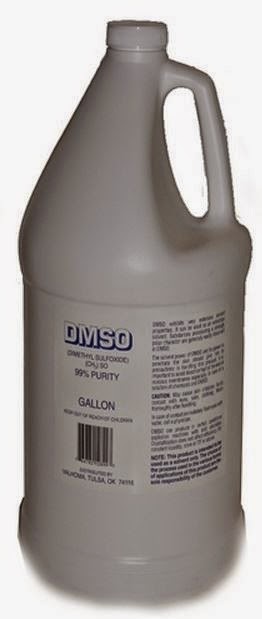
If your horse is suffering from neurological trauma, an allergic reaction to vaccines or swelling, DMSO liquid can help alleviate some of the pain. DMSO creates a large amount of heat where it is applied. If you’ve been considering DMSO liquid for your horse(s) or wondering how to use DMSO on horses, we’ve got some helpful information for you. DMSO has many benefits and can be helpful in getting your horse back to 100%.
How to Use DMSO Liquid
We recommend always using gloves when handling DMSO liquid or gel, as the smell is very potent, it quickly absorbs in to skin, and can have some negative side effects. If DMSO comes in contact with your skin or clothing, be prepared to smell like rotten garlic for several days. To apply DMSO liquid to your horse, begin by adding it to a separate container to prevent contamination of the original bottle. Once the skin has been cleaned, DMSO can then be applied to the skin with a brush or cotton ball.
DMSO’s ability to penetrate skin makes it a great transport medium for other medications that need to be absorbed. It’s important to make sure that the skin is clean and free of any substances or medication that may become harmful if combined with DMSO.
DMSO liquid or gel can also be used for sweat bandages. Doing so can help with inflammation or swelling, if your horse has been stall-bound or experienced a strain or sprain.
Our DMSO liquid gallon size is 99% pure, Pyrogen Free, and Acetone free. It’s our most popular DMSO product, as it allows you to apply several applications to your horse without the worry of running out of product prior to them being fully recovered.
We recommend consulting with your vet about DMSO use prior to treating your horse.
Help keep your horses pain-free and healthy with the help of equine supplies available at Medi-Vet!
Tuesday, October 7, 2014
Foods That Can Kill Your Dog
Owning a pet requires a certain amount of responsibility. You have to provide a number of basic necessities for them, such as shelter, food, health care, love, and physical activity. These things come second nature to many, but for those who are new to pet ownership, there are often questions that need to be answered. For example, what kind of foods are toxic for dogs?
Though you should always make sure that you’re feeding your dogs quality kibble that won’t make them sick, there are certain human foods that aren’t safe for dogs. Pet food toxins are a serious matter that can result in death for your pet.

Dogs often don’t know better as to what will be harmful if ingested. If you are going to feed your dog or cat people food, please stick to safe foods (ex: rice, carrots, apple slices, and green beans). If there is something you’re unsure of when it comes to feeding your pet, please contact your veterinarian for confirmation. Find a large selection of healthy food and treats for your dog at Medi-Vet.
Though you should always make sure that you’re feeding your dogs quality kibble that won’t make them sick, there are certain human foods that aren’t safe for dogs. Pet food toxins are a serious matter that can result in death for your pet.

Five Toxic Food for Dogs:
1. Chocolate
One of the most common people foods that can kill your dog is chocolate, and the toxicity increases as the chocolate gets darker and richer. If your dog has ingested chocolate, signs that they may be suffering from chocolate poisoning include vomiting, abdominal pains, diarrhea, or seizures. As a reminder, please keep all chocolate away from your furry friends.2. Grapes and Raisins
For dogs, grapes and raisins are a definite no-no – and unfortunately, the exact substance resulting in its toxicity is not yet known. Grapes can lead to acute renal (kidney failure), resulting in your dog’s health taking a rapid turn for the worse. Your pet is unable to filter out toxins through urine production when kidney failure occurs, and as a result, they can die within a matter of days. If your dog has ingested grapes, it’s likely that they’re going to become lethargic and will have a decreased appetite. Other symptoms to be on the lookout for are diarrhea, vomiting, abdominal pains, and muscle weakness.3.Xylitol
A sugar substitute often found in sugar free gum, baked goods, toothpaste, and mouthwash, xylitol can quickly cause problems for your pet if ingested. Xylitol is a good sugar substitute for diabetics; unfortunately, it does not react with a pet’s body the way that it does with a human’s. When ingested by your pet, xylitol is quickly absorbed in the bloodstream and releases insulin rapidly – as a result, hypoglycemia can occur. The insulin is released within an hour of ingestion and can become life-threatening if left untreated. In extreme cases, liver failure can occur. We recommend making sure that any gum left in your purse is out of reach of your pet, so that they don’t treat themselves to a toxic treat.4. Nuts
Though nuts are a healthy and tasty snack for you, they do not have the same health benefits for your pet. Almonds can be a bit hard for your pet to digest, resulting in an upset stomach. Macadamia nuts present the biggest issues from the nut family and can cause toxic poisoning. Ingestion of macadamia nuts may weaken your pet leading them to lose the ability to control their hind legs. Other symptoms include vomiting, hypothermia, tremors, and depression. As a result, they should be avoided at all costs. Moldy nuts should also be avoided, as they can be poisonous as well. It should be noted, however, that peanuts and peanut butter are healthy options for your pups to enjoy.5. Avocados
Though not as dangerous as the foods listed above, avocados can certainly cause your pet plenty of grief. The toxic substance in avocados is called persin, and it is mostly found in the leaves and skin. Ingested in excessive amounts, your pet can experience anything from a mild upset stomach to vomiting and diarrhea – or even issues with the heart.Dogs often don’t know better as to what will be harmful if ingested. If you are going to feed your dog or cat people food, please stick to safe foods (ex: rice, carrots, apple slices, and green beans). If there is something you’re unsure of when it comes to feeding your pet, please contact your veterinarian for confirmation. Find a large selection of healthy food and treats for your dog at Medi-Vet.
Subscribe to:
Posts (Atom)