Facebook Link
Like Us On Facebook!
Tuesday, October 14, 2014
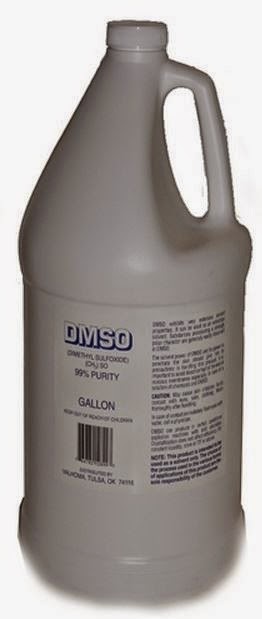
Product Review: DMSO Liquid for Horses
If your horse is suffering from neurological trauma, an allergic reaction to vaccines or swelling, DMSO liquid can help alleviate some of the pain. DMSO creates a large amount of heat where it is applied. If you’ve been considering DMSO liquid for your horse(s) or wondering how to use DMSO on horses, we’ve got some helpful information for you. DMSO has many benefits and can be helpful in getting your horse back to 100%.
How to Use DMSO Liquid
We recommend always using gloves when handling DMSO liquid or gel, as the smell is very potent, it quickly absorbs in to skin, and can have some negative side effects. If DMSO comes in contact with your skin or clothing, be prepared to smell like rotten garlic for several days. To apply DMSO liquid to your horse, begin by adding it to a separate container to prevent contamination of the original bottle. Once the skin has been cleaned, DMSO can then be applied to the skin with a brush or cotton ball.
DMSO’s ability to penetrate skin makes it a great transport medium for other medications that need to be absorbed. It’s important to make sure that the skin is clean and free of any substances or medication that may become harmful if combined with DMSO.
DMSO liquid or gel can also be used for sweat bandages. Doing so can help with inflammation or swelling, if your horse has been stall-bound or experienced a strain or sprain.
Our DMSO liquid gallon size is 99% pure, Pyrogen Free, and Acetone free. It’s our most popular DMSO product, as it allows you to apply several applications to your horse without the worry of running out of product prior to them being fully recovered.
We recommend consulting with your vet about DMSO use prior to treating your horse.
Help keep your horses pain-free and healthy with the help of equine supplies available at Medi-Vet!
Tuesday, October 7, 2014
Foods That Can Kill Your Dog
Owning a pet requires a certain amount of responsibility. You have to provide a number of basic necessities for them, such as shelter, food, health care, love, and physical activity. These things come second nature to many, but for those who are new to pet ownership, there are often questions that need to be answered. For example, what kind of foods are toxic for dogs?
Though you should always make sure that you’re feeding your dogs quality kibble that won’t make them sick, there are certain human foods that aren’t safe for dogs. Pet food toxins are a serious matter that can result in death for your pet.
Dogs often don’t know better as to what will be harmful if ingested. If you are going to feed your dog or cat people food, please stick to safe foods (ex: rice, carrots, apple slices, and green beans). If there is something you’re unsure of when it comes to feeding your pet, please contact your veterinarian for confirmation. Find a large selection of healthy food and treats for your dog at Medi-Vet.
Though you should always make sure that you’re feeding your dogs quality kibble that won’t make them sick, there are certain human foods that aren’t safe for dogs. Pet food toxins are a serious matter that can result in death for your pet.
Five Toxic Food for Dogs:
1. Chocolate
One of the most common people foods that can kill your dog is chocolate, and the toxicity increases as the chocolate gets darker and richer. If your dog has ingested chocolate, signs that they may be suffering from chocolate poisoning include vomiting, abdominal pains, diarrhea, or seizures. As a reminder, please keep all chocolate away from your furry friends.2. Grapes and Raisins
For dogs, grapes and raisins are a definite no-no – and unfortunately, the exact substance resulting in its toxicity is not yet known. Grapes can lead to acute renal (kidney failure), resulting in your dog’s health taking a rapid turn for the worse. Your pet is unable to filter out toxins through urine production when kidney failure occurs, and as a result, they can die within a matter of days. If your dog has ingested grapes, it’s likely that they’re going to become lethargic and will have a decreased appetite. Other symptoms to be on the lookout for are diarrhea, vomiting, abdominal pains, and muscle weakness.3.Xylitol
A sugar substitute often found in sugar free gum, baked goods, toothpaste, and mouthwash, xylitol can quickly cause problems for your pet if ingested. Xylitol is a good sugar substitute for diabetics; unfortunately, it does not react with a pet’s body the way that it does with a human’s. When ingested by your pet, xylitol is quickly absorbed in the bloodstream and releases insulin rapidly – as a result, hypoglycemia can occur. The insulin is released within an hour of ingestion and can become life-threatening if left untreated. In extreme cases, liver failure can occur. We recommend making sure that any gum left in your purse is out of reach of your pet, so that they don’t treat themselves to a toxic treat.4. Nuts
Though nuts are a healthy and tasty snack for you, they do not have the same health benefits for your pet. Almonds can be a bit hard for your pet to digest, resulting in an upset stomach. Macadamia nuts present the biggest issues from the nut family and can cause toxic poisoning. Ingestion of macadamia nuts may weaken your pet leading them to lose the ability to control their hind legs. Other symptoms include vomiting, hypothermia, tremors, and depression. As a result, they should be avoided at all costs. Moldy nuts should also be avoided, as they can be poisonous as well. It should be noted, however, that peanuts and peanut butter are healthy options for your pups to enjoy.5. Avocados
Though not as dangerous as the foods listed above, avocados can certainly cause your pet plenty of grief. The toxic substance in avocados is called persin, and it is mostly found in the leaves and skin. Ingested in excessive amounts, your pet can experience anything from a mild upset stomach to vomiting and diarrhea – or even issues with the heart.Dogs often don’t know better as to what will be harmful if ingested. If you are going to feed your dog or cat people food, please stick to safe foods (ex: rice, carrots, apple slices, and green beans). If there is something you’re unsure of when it comes to feeding your pet, please contact your veterinarian for confirmation. Find a large selection of healthy food and treats for your dog at Medi-Vet.
Thursday, September 18, 2014
Product Review: Capstar Flea Medication
Facts About Fleas
Pets in the southern and western states are susceptible to
fleas year-round. In the northern part of the country, these pests thrive
mostly from April to November, but continuous prevention is still the best idea.
Even if you think your dog or cat is flea-free, the parasite has developed an
unsettling number of adaptations to make sure pets don’t stay that way for
long. Fleas can hop nearly 10,000 times when searching for a host before they
have to settle, and their narrow bodies move easily and nearly invisibly
through pet fur. A flea life cycle ranges from 16 days to 21 months, and flea
eggs can hatch long after an initial batch of fleas has been eradicated.
The Benefits of Capstar for Cats and Dogs
While topical products have their benefits, they can also drip
or wash off as the pet runs and plays. Capstar is an oral tablet and starts
working within 30 minutes. It contains nitenpyram, a chemical that disrupts the
adult fleas' neurotransmitters and kills them. While Capstar works quickly to
kill adult fleas, it is only a short-duration product and does not prevent
fleas from reinfesting the pet. However, it is safe to give the pet another
dose at least once per day if necessary.
Capstar is made for cats and dogs between two and 25 pounds and adult dogs over 25 pounds. It's also safe for puppies and kittens that
are at least four weeks of age and older. This medication has an impressive
safety profile, which means it’s okay to administer it to pregnant and nursing
dogs and cats. It's also safe to use Capstar with other products, such as
antibiotics, heartworm preventatives, vaccines, and de-worming medications.
Using Capstar as Part of a Total Flea Management Program
Because Capstar only targets adult fleas, it is one part of a
total flea management program. To prevent immature flea development, use an
insect growth regulator, such as lufenuron, on all pets in the home. The growth
regulator will help deter flea reinfestation, and Capstar will kill any
remaining adult fleas on the pets. Novartis, the maker of Capstar, recommends
using this combination as an effective treatment program for eradicating
immature and mature fleas on both cats and dogs.
Ask the experts at Medi-Vet about Capstar and other ways to
keep pets happy, healthy, and flea-free!
Wednesday, September 10, 2014
Ten Need-to-Know Cat Facts
Cats can be a bit mysterious – even to those of us who love them most. Sometimes independent and aloof and other times so cuddly and affectionate we think we'll be overcome with coziness, our feline family members nevertheless do have a few idiosyncrasies. The more we can understand how our cats see, hear, and navigate through the world, the better we’ll be able to care for them. Here are ten need-to-know facts about our feline friends:
1. Cats' whiskers are an important part of their natural navigation equipment. They use them to sense air movement and detect when objects are close enough to obstruct their passage. Cats whose whiskers are clipped or damaged can become disoriented and uncomfortable.
2. Cats have one of the broadest hearing ranges of any mammal. They can hear ultra high-frequency sounds that humans can't. This helps them in hunting, since mice and other rodents communicate using ultrasound.
3. Cats can see extremely well at night, yet not as well in the daytime, particularly when looking at objects from close range. This is partly due to a blind spot that prevents them from seeing objects that are directly in front of them. They can see faraway objects much better and tend to depend more on motion or scent to help them notice the presence of an insect or other animal that's nearby. Learn more about this blind spot here.
4. A cat's sense of smell is more acute than its eyesight. Cats learn more about their surroundings through their sense of smell than they do through sight. While cats can see fairly well from a distance, they rely primarily on their highly developed sense of smell to detect things, animals, or people that are in closer proximity.
5. Cats are lactose intolerant. Many people are unaware that cats cannot digest cow's milk, which can cause digestive disturbances, including diarrhea. Goat's milk is easier for them to digest and may be used as a substitute, if desired, though cats no longer require milk for nourishment once they've been weaned.
6. Chocolate is toxic to cats. The caffeine and theobromine in chocolate can over-stimulate your cat's heart and nervous system, and the darker the chocolate, the worse the level of chocolate intoxication and the more serious the reaction can be. So, keep that half-eaten chocolate bar out of sight.
7. Garlic and onions are also toxic to cats. Garlic and onions, whether cooked or raw, can damage your cat's red blood cells if given in large enough quantities. Keep this in mind if your kitty is a fan of table scraps! In fact, cat owners would do well to keep a list of foods that are toxic to cats on their refrigerator, just in case.
8. Cats need a lot of sleep. According to MentalFloss, cats sleep twice as much as humans and can easily nap on-and-off for 15 hours a day or more. This is normal. However, if your cat becomes lethargic, seems uninterested in food, or demonstrates a major change in sleep behavior, consult your vet.
9. Cats can be allergic to humans and their lifestyle. Household dust, human scents such as perfume, and human activities such as smoking can create discomfort for cats. If your cat coughs a lot, feline asthma caused by allergens could be to blame.
10. Cats can contract the feline form of Alzheimer's. To reduce the risk of this serious form of dementia in your cat, be sure to provide a healthy environment, a nourishing diet, and lots of attention and mental stimulation. Learn more about feline Alzheimer’s prevention and treatment here.
By paying attention to a few characteristics that are common to cats, you can help keep yours healthier and more content. And we think you’ll be happier for that, too!
Monday, August 11, 2014
Product Review: Revolution (Selamectin) Flea & Heartworm Prevention
Pfizer's Revolution is an easy-to-use monthly topical treatment for dogs, cats, puppies, and kittens. It treats and prevents worms, fleas, ticks and other parasites. One packet of Revolution includes three one-month anti-parasitic treatments. Revolution is available in higher concentrations for dogs and cats over five pounds and in milder concentrations for puppies and kittens up to five pounds. This medication can also be purchased in cartons containing six single-dose applications. The proven effectiveness of the treatement makes Revolution one of the veterinary industry’s most trusted topical flea and heartworm treatments. Vets who are interested in prescribing the product may be interested in the following information:
Monthly Protection For Cats And Kittens
One topical dose of Revolution protects cats and kittens for up to 30 days from the following parasites:
Fleas Ticks Ear mites Heartworms Roundworms Hookworms
Revolution is a highly-effective feline heartworm preventative and flea-control product that can be used to treat all cat breeds. One monthly dose treats and prevents flea infestations, killing adult fleas and keeping flea eggs from hatching. This product also prevents other common infestations.
Monthly Protection For Dogs And Puppies
Similar to Revolution for Cats and Kittens, the monthly dose of Revolution for dogs and puppies kills and prevents the following:
Fleas Ticks Ear mites Heartworms Sarcoptic mange
It’s important to note that if a dog has an existing case of heartworm, Revolution will not be able to help control the symptoms. That’s why proactive, monthly prevention against heartworm is key.
Product Information
Revolution’s active ingredient is Selamectin, a topical parasiticide highly effective in the treatment, control and prevention of parasites. For maximum parasite control and prevention, Revolution should be used every 30 days for the life of the pet.
Revolution is applied to your pet by parting the fur and squeezing the liquid contents of the tube directly onto the skin, where it is absorbed. Application takes about 15 seconds and most pets tolerate the treatment very well. The recommended dosage is 2.7 mg. of selamectin per pound of body weight. It is imperative not to exceed the dosage or frequency of application; in larger doses, this powerful drug can be toxic to pets.
Prior to product use, vets should show pet owners how to apply the medication correctly. Revolution should be applied directly to the skin on the back of the neck, at the base of the neck, just in front of the shoulder blades. Be sure to part the fur enough to expose the skin; this product should not be applied to the fur.
With the tip of the tube directly on the skin, squeeze the tube three or four times so that all of the liquid goes directly onto the skin in one spot. Do not rub the liquid into the skin, and do not apply to broken skin or if your pet has wet fur. Leave the application site alone for two hours after treatment. You may observe a bit of matted fur at the application site, but this is normal and disappears within a few hours.
Help keep pets comfortable and healthy with the proper prescriptoin and dosage of pest control products. Don’t be afraid to ask Medi-Vet if you have any further questions about this powerful preventative topical!
Monday, August 4, 2014
What is Your Dog Trying to Tell You? Decoding Dog Body Language
Many dog owners claim that their dogs talk to them, and in a way this is true. Like humans, dogs have their own ways of communicating without words – and it can become easier to attend to your pooch’s needs if you understand what to look for. Medi-Vet is here to clear up the confusion with a list of the top signs your dog may be trying to express fear, hunger, happiness, and more.
Body Language
It's pretty easy to tell when your dog wants attention. He may approach you and crouch with his wagging or stand and stare at you with his ears up and his face relaxed, waiting for you to lavish him with love. If he suddenly stops when you're playing and pricks his ears up, turning his attention away, chances are he's sensed something that you can't and is more interested in that than in you.
When your dog is scared, you'll see him flatten his ears and either lower or tuck his tail. Some dogs will cower when they're feeling uneasy. These may also be signs of submissiveness to humans or other dogs.
Aggressive dogs hold their tails high and stiff while standing upright. Their ears often prick forward as they stare intently at whatever provoked their response.
Facial Expressions
Some dogs are more expressive than others, but they all have certain "looks" they use to convey moods. The next time your dog looks at you, pay attention to his facial features. If his eyes are relaxed and his lips are pulled back slightly in a doggy "smile," you'd better go grab a toy—he's looking to play! However, a tense dog whose lips are pulled up to expose his teeth is feeling aggressive and shouldn't be provoked. Submissive dogs may squint, lower their heads, and show only their top teeth. A closed mouth or excessive yawning indicates that your dog is nervous or upset about something and may need reassurance.
Vocal Communication
Dogs make a variety of sounds to "talk" to other dogs, react to situations, or tell humans that something is up.
Learning to interpret Fido's body language and barking gives you a better sense of his needs. When you understand the signals he's sending you, you'll be able to respond appropriately and build a stronger relationship with your furry friend. You’ll both be happier for it!
Body Language
It's pretty easy to tell when your dog wants attention. He may approach you and crouch with his wagging or stand and stare at you with his ears up and his face relaxed, waiting for you to lavish him with love. If he suddenly stops when you're playing and pricks his ears up, turning his attention away, chances are he's sensed something that you can't and is more interested in that than in you.
When your dog is scared, you'll see him flatten his ears and either lower or tuck his tail. Some dogs will cower when they're feeling uneasy. These may also be signs of submissiveness to humans or other dogs.
Aggressive dogs hold their tails high and stiff while standing upright. Their ears often prick forward as they stare intently at whatever provoked their response.
Facial Expressions
Some dogs are more expressive than others, but they all have certain "looks" they use to convey moods. The next time your dog looks at you, pay attention to his facial features. If his eyes are relaxed and his lips are pulled back slightly in a doggy "smile," you'd better go grab a toy—he's looking to play! However, a tense dog whose lips are pulled up to expose his teeth is feeling aggressive and shouldn't be provoked. Submissive dogs may squint, lower their heads, and show only their top teeth. A closed mouth or excessive yawning indicates that your dog is nervous or upset about something and may need reassurance.
Vocal Communication
Dogs make a variety of sounds to "talk" to other dogs, react to situations, or tell humans that something is up.
- Loud or excessive barking at mid-range is used to defend territory or communicate potential danger. Pauses between rounds of barking may indicate that your dog is unsure about what type of threat he senses.
- Incessant barking that includes howling or has long pauses in between is often a plea for attention.
- Howling is used to locate and communicate with other dogs or to try to call you back when you're leaving.
- High-pitched barking usually indicates excitement. A short bark at high pitch may mean that your dog is confused.
- Low-pitched barking, snarling and growling are all signs of aggression.
- Short low-pitched barks mean "stop doing that!"
- Dogs that grunt, mutter or "ruff" are looking for attention or want to play.
- A dog that is frustrated or annoyed may whine to indicate his feelings.
- Whimpering and yelping may be signs that your dog is in pain or is afraid.
Learning to interpret Fido's body language and barking gives you a better sense of his needs. When you understand the signals he's sending you, you'll be able to respond appropriately and build a stronger relationship with your furry friend. You’ll both be happier for it!
Wednesday, July 16, 2014
VETPROFEN (CARPROFEN) CAPLETS
Are you a veterinarian who’s thinking about Vetprofen/Carprofen for dogs? Here’s what you should know:
Vetprofen is a non-steroidal, anti-inflammatory drug (NSAID) that is commonly prescribed for the treatment of pain and swelling in dogs following surgeries and geriatric osteoarthritis complications. Like many NSAIDs, it falls under the same propionic acid class as ibuprofen and ketoprofen.
Is Vetprofen Safe?
Vetprofen lacks the narcotic properties observed with the administration of some other painkillers. According to clinical lab studies performed with canines that had not received anesthesia, the drug is typically well-tolerated following the consumption of a standard oral dosage. Daily dosages are generally around 4.4 mg/kg of body weight.
The U.S. FDA has approved carprofen prescriptions for dogs, but felines should not be given this drug. According to some studies, the analgesic and antipyretic activity of carprofen has been observed to be roughly on par with that of indomethacin.
Can Any Dog Take Vetprofen?
Some canines exhibit adverse reactions to carprofen, like hypersensitivity. Dogs that have already demonstrated such symptoms in the past should not be given this drug. The majority of adverse reactions are classified as gastrointestinal disturbances; although renal, dermatologic, neurologic, hematologic and hepatic effects are reported, these are less common.
Dogs that have prior histories of bleeding disorders, like Von Willebrand's disease, should not be given carprofen. Canines should also be older than six weeks old, non-pregnant, non-lactating and non-breeding, as these classes haven't been confirmed to metabolize the drug safely.
As with all NSAIDs, it's important that practitioners attempt to avoid simultaneously administering corticosteroids and other NSAIDs unless the canine can be observed diligently. Most adverse reactions can be reversed by ceasing vetprofen treatment during the early stages.
Why Should a Vet Prescribe Vetprofen?
Carprofen's effective use as an anti-inflammatory treatment for osteoarthritis and hip dysplasia is well-established. Due to the fact that it has specifically been studied and approved for use in canines, toxicity dangers typical of NSAIDs formulated for humans may be less likely.
Vetprofen is currently only approved for use in canines, although it was formerly administered in humans for about a decade. It has been tested in dosages specifically formulated for canines, and potential adverse reactions are well-studied.
How Should Vets Advise Dog Owners about Vetprofen?
Veterinarians may wish to discuss side effects and reactions to watch out for. Observing such symptoms may prove critical in an owner's ability to call attention to a problem in a sufficiently timely fashion to prevent fatalities or serious health complications. Potential symptoms include the following:
- Abnormal water retention, including increased thirst or increased urination
- Gastrointestinal issues, such as diminished appetite, vomiting or diarrhea
- Low energy, fatigue or general lethargy
Some dogs exhibit more serious symptoms, including seizures, compromised coordination, bloody vomit, jaundice or black, sticky stools. Skin irritation and serious behavioral changes, such as aggression, are also possible. Therapy should be stopped at the first sign of any abnormal symptoms, as long-term administration may increase the risk of adverse reactions. Periodic followups are advisable with any NSAID therapy.
If you have any other questions about this powerful anti-inflammatory option, contact us today.
Resources:
Drugs.com. "Vetprofen." Available from http://www.drugs.com/pro/vetprofen.html.
The European Agency for the Evaluation of Medicinal Products. "Committee for Veterinary Medicinal Products: Carprofen." Available from http://www.ema.europa.eu/docs/en_GB/document_library/Maximum_Residue_Limits_-_Report/2009/11/WC500011412.pdf.
Subscribe to:
Posts (Atom)